LEARNING EXPERIENCE DESIGN / CODE: LITA
Turn the tutorial from a textbook into a bounded playground.
Children write code, observe Lita's actions, and revise their understanding through results. Copilot stays quiet by default and deepens support only when the learner gets stuck.
THE PROBLEM
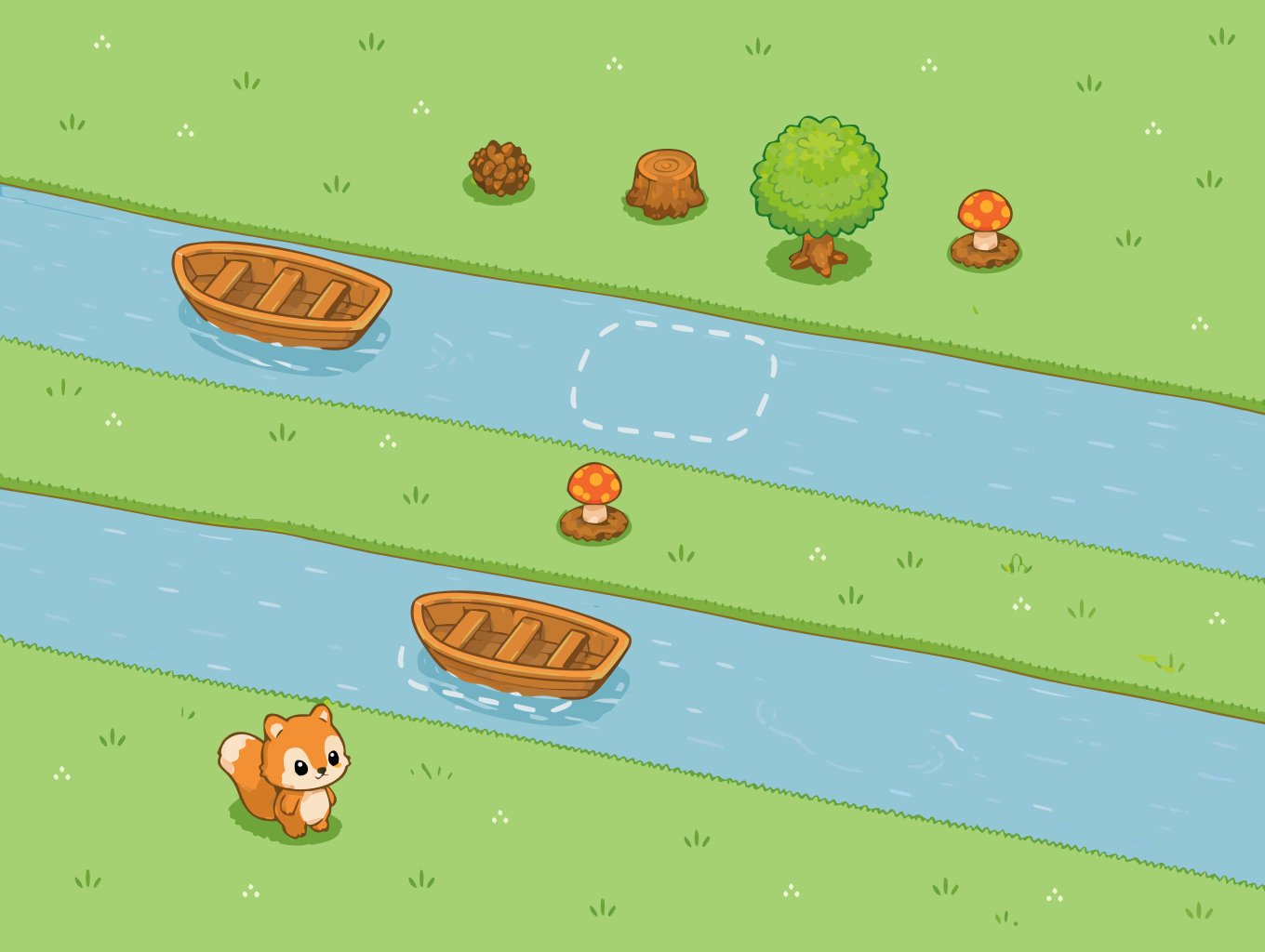
Traditional tutorials teach operations without necessarily creating understanding.
I reframed the problem: children do not need more explanation, but an environment where they can act, receive feedback, and revise.
Following without understanding
Starting with syntax and steps may teach what to type without revealing why the code works.
Too much interface at once
Console, sprites, and state panels make beginners confront tool complexity before the task.
Help that gives away the answer
The task gets completed, but the system replaces the learner's observation, judgment, and revision.
THE LEARNING MODEL
Understanding forms between action and feedback.
Code, runtime results, and the game world form a repeatable learning loop. Failure is not an endpoint, but evidence for the next judgment.
- 01Understand the goal
- 02Form a hypothesis
- 03Write code
- 04Run and observe
- 05Notice the gap
- 06Revise and reapply
FOUR DESIGN DECISIONS
Translate learning theory into mechanisms learners can experience.
Theory provides direction. Design decides what learners see, when help appears, and how each action produces a result in the world.
MOTIVATION / STORY
Let story answer why learning matters
Children write code to help Lita through an unfolding forest adventure, not to complete isolated syntax drills.
MechanismStory video, worldbuilding, a long-term mission, and clear level goals
CONSTRUCTIVISM
Act before explaining
New knowledge should answer a problem the learner has just encountered instead of preceding all action.
MechanismRunnable scenes, animated API examples, and on-demand explanations
BOUNDED EXPLORATION
Offer freedom within boundaries
A playground is not completely open; it is a deliberately constrained learning world.
MechanismProgressive interface, clear goals, a ruler, and a course map
SCAFFOLDING
Help understanding without taking over
Copilot should return learners to the exploration loop rather than deliver the answer.
MechanismHints, explanations, and examples that deepen only as difficulty persists
COPILOT AS SCAFFOLDING
Stay restrained by default; deepen help only when difficulty persists.
Every level of help serves the same goal: understand the problem, then return to the editor and revise the code.
- 01Observation cue
- 02Local hint
- 03Error explanation
- 04Concept lesson
- 05Worked example
CODE: LITA IN PRACTICE
Let these mechanisms unfold continuously within a lesson.
Code: Lita is not an illustration of the idea, but product evidence that tests whether the learning model actually works.
 01 / Enter the mission
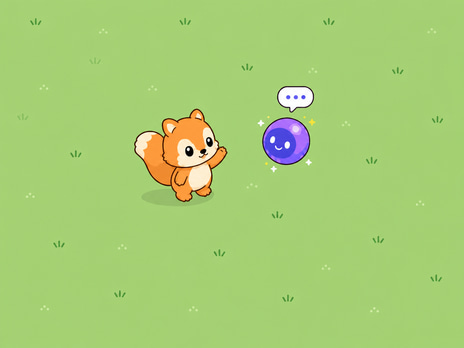
Story establishes a long-term goal
Learners know why Lita is exploring and why code is needed to help her.
 02 / Begin exploring
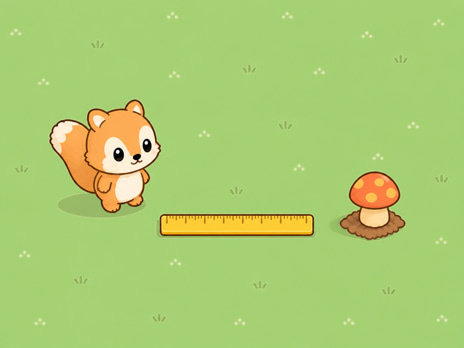
Tools appear only when useful
A ruler turns distance and direction into observable information instead of guesswork.
 03 / Notice the gap
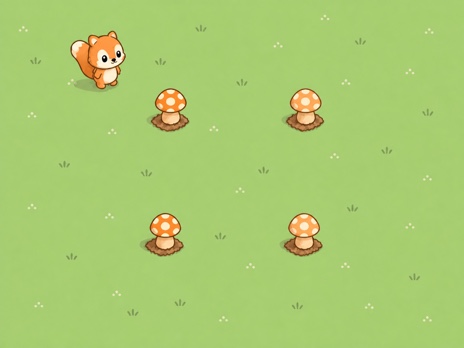
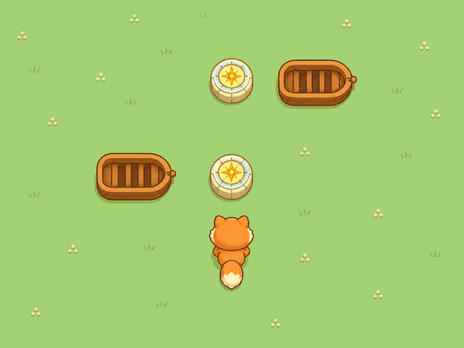
The scene creates the need for a concept
Targets behave differently before conditional logic is introduced as the useful tool.
 04 / Revise and transfer
Results return to the game world
The effect of revised code is visible and can be carried into the next task.
MY ROLE
I did not design a set of tutorials, but a system that enables learning to happen.
I defined the learning model and translated it into story and task structures, a progressive interface, feedback loops, Copilot intervention rules, and a sustainable way to produce lessons.
Try Code: Lita ↗